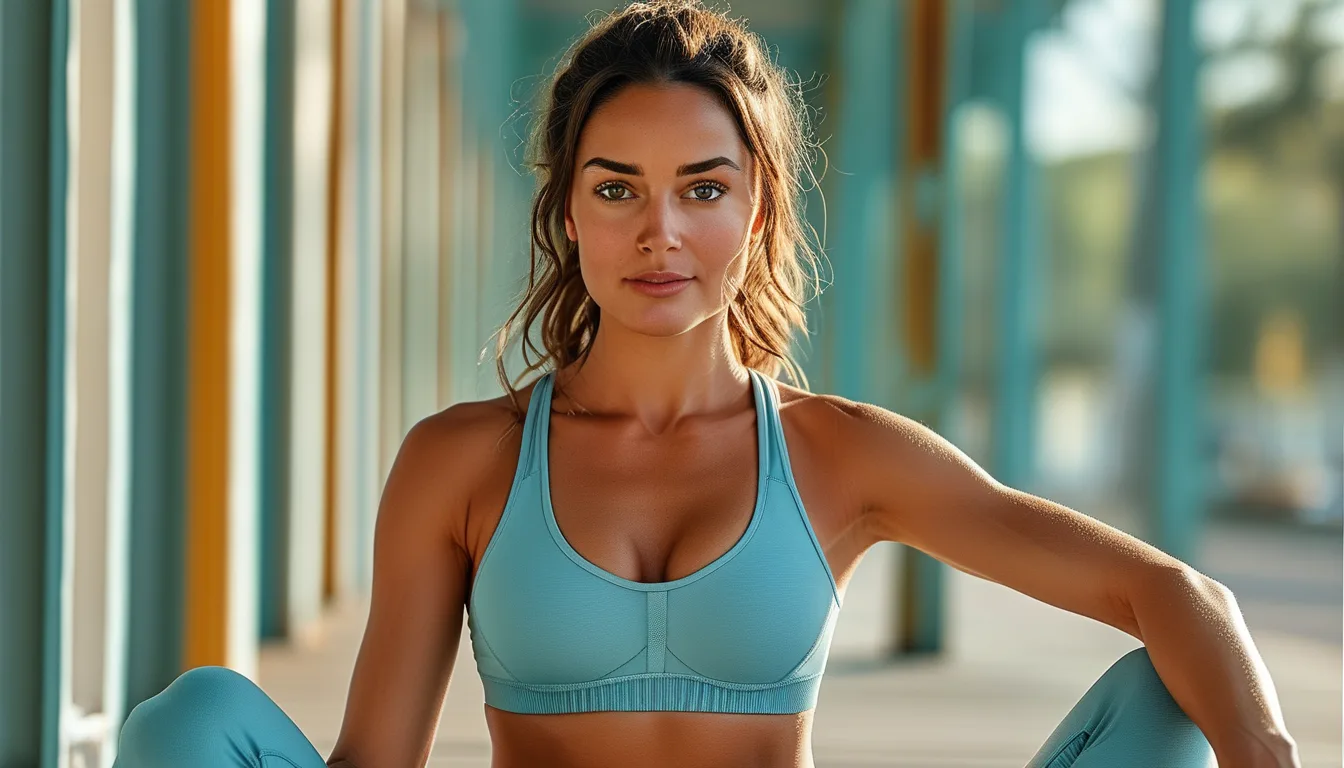
Training Outdoors in the Last Hot Fortnight of the Year
Quick Answer: Humidity, not temperature, is what makes late August training hard. When the air is already near saturation, sweat does not evaporate, and evaporation is how you actually lose heat. That means the same session at 30C and 80 percent humidity is substantially harder than at 30C and 40 percent - and pacing should be by effort and heart rate, not by pace or by what you ran in June.
The practical marker: if your shirt is soaked but you are not cooling down, humidity is the limiting factor and you should slow down regardless of the number on your watch.
This is general information rather than medical advice.
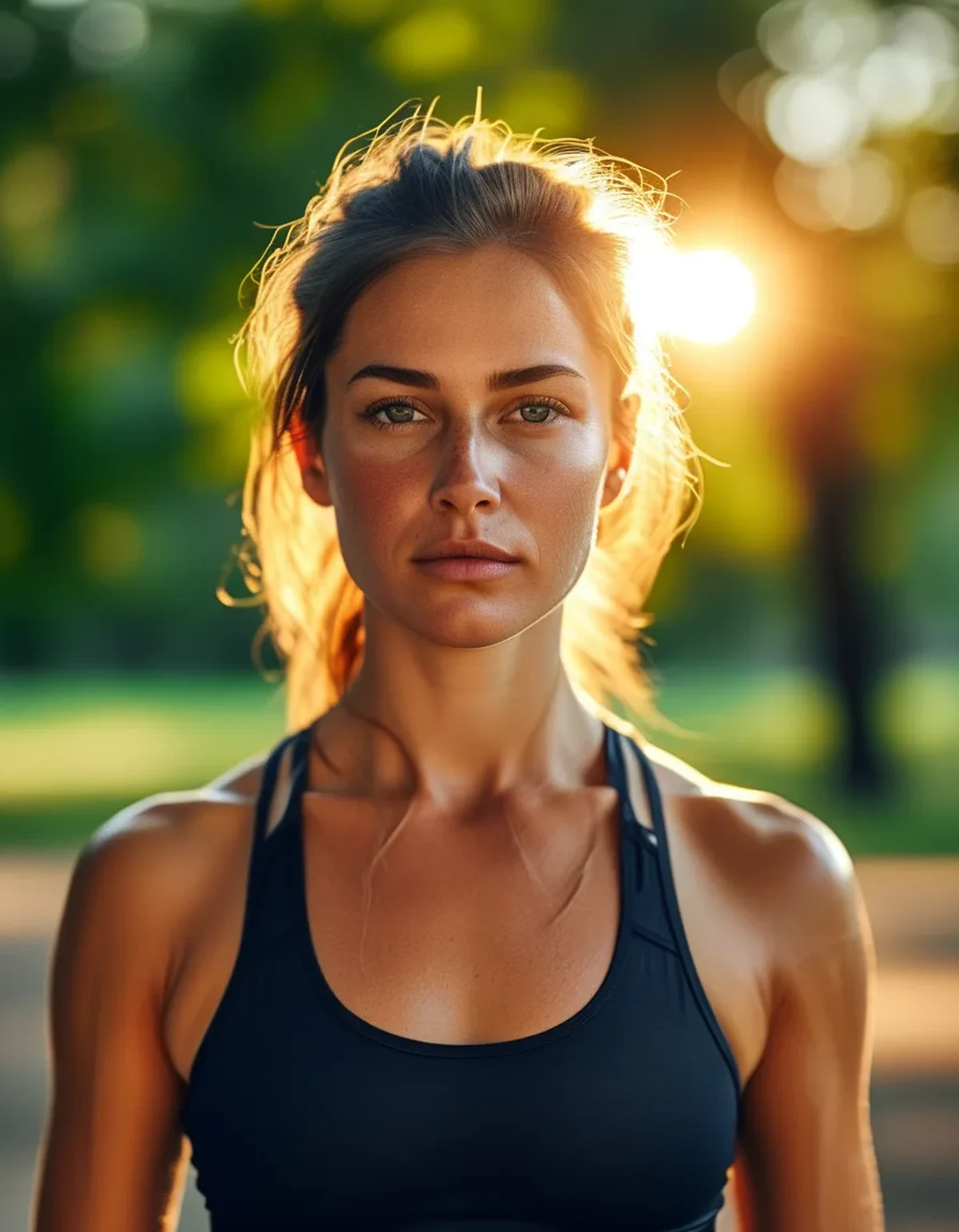
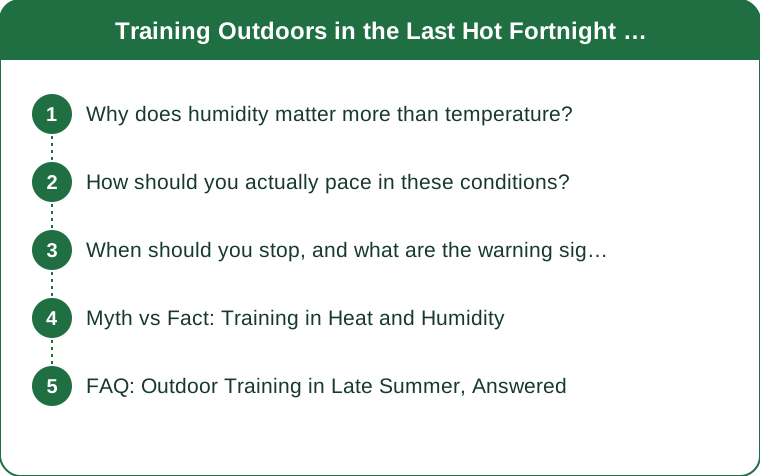
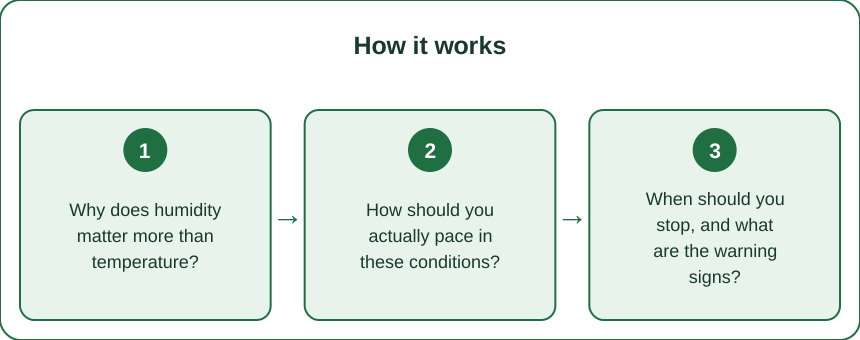
Why does humidity matter more than temperature?
Because sweating only cools you when the sweat evaporates, and humid air will not accept it.
The mechanism. Evaporating sweat absorbs a large amount of heat from the skin - this is the primary route by which the body sheds heat during exercise. Radiation and convection contribute far less once ambient temperature approaches skin temperature.
What high humidity does. Evaporation depends on the vapour pressure gradient between skin and air. When the air is already near saturation, that gradient collapses and sweat drips instead of evaporating. Dripping sweat provides almost no cooling and costs the same fluid.
The consequences in a session:
- Core temperature rises faster at the same workload
- Heart rate is higher at any given pace - often 10 to 20 beats per minute above the same effort in cool conditions, an effect known as cardiac drift
- Perceived effort rises disproportionately
- Time to exhaustion drops substantially
Which explains the specific late-summer experience. A 30C day at 40 percent humidity is manageable. A 30C day at 80 percent is a fundamentally different session, and the thermometer does not distinguish them.
Useful measures. The heat index combines temperature and humidity into a felt-temperature figure. Wet bulb globe temperature is what sports bodies actually use, because it also accounts for sun and wind. Most weather apps show a feels-like figure, and that is the number to plan around rather than the raw temperature.
Why late August is the peak risk. It combines high temperatures, high humidity, and the fact that people are still training on summer schedules while their bodies have had a long hot summer of cumulative load.
How should you actually pace in these conditions?
By effort, not by pace, and with an explicit expectation that the numbers will be worse.
Pace by heart rate or perceived effort:
- Expect pace to be 30 to 60 seconds per kilometre slower at the same effort in hot humid conditions. This is not a fitness loss
- Use perceived effort or heart rate zones, not pace targets. A pace target in these conditions forces you to run at a higher effort than intended
- The talk test remains the most practical field measure. If you cannot speak a full sentence, you are above easy pace regardless of what the watch says
Session structure in humidity:
- Move hard sessions to early morning, which is both cooler and - importantly - the point at which humidity, despite being high in relative terms, sits with the lowest absolute temperature
- Shorten intervals and lengthen recoveries. Recovery is where cooling happens, and in humid air it takes longer
- Consider moving genuinely hard sessions indoors for this fortnight rather than compromising them
- Keep easy sessions easy. In heat, easy sessions drift upward in effort without anyone deciding
Practical cooling that works:
- Pouring water over your head and neck helps, mostly through direct conduction rather than evaporation. In humid conditions this is more useful than in dry
- Ice in a hat or on the back of the neck
- Pre-cooling before a session - a cold drink or a cold shower - measurably improves performance in heat
- Choose shade and choose routes with air movement. Wind restores some evaporative capacity even at high humidity
Hydration in humid conditions:
- Sweat rates are high and evaporation is low, so you lose fluid without getting the cooling benefit. This is the worst combination for fluid balance
- 150 to 250ml every 15 to 20 minutes during sustained activity
- Electrolytes matter for sessions over an hour at these sweat rates
- Weigh before and after to learn your rate. Each kilogram lost is roughly a litre
- Do not overdrink either. Consuming large volumes of plain water well beyond sweat losses carries a real risk of hyponatraemia, which is rare but serious
Clothing:
- Loose and light-coloured, which allows air movement and reflects radiant heat
- Technical fabric over cotton, though in high humidity nothing will keep you dry - the aim is air movement, not dryness
- A hat with a brim and sunglasses, since low late-summer sun is still strong
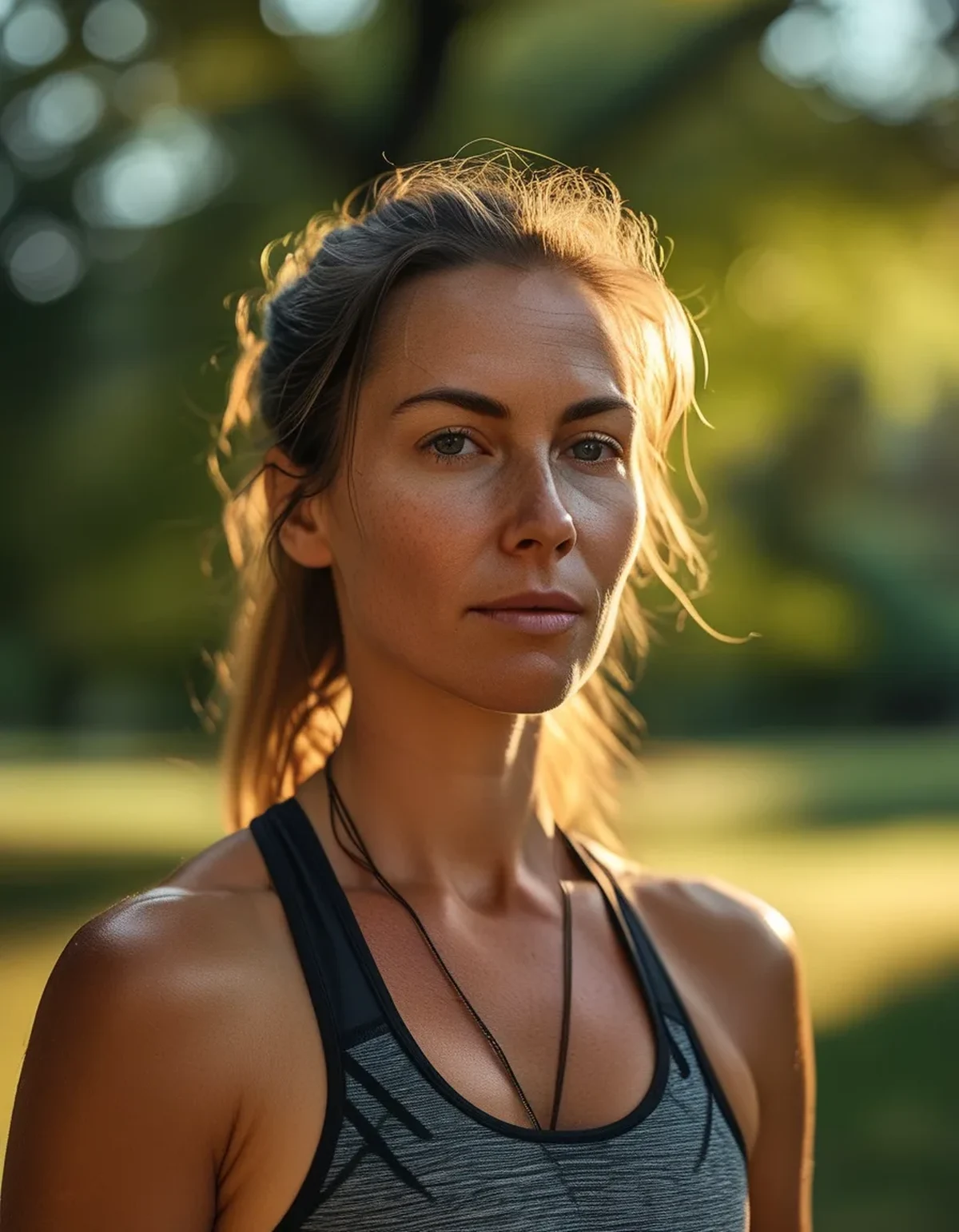
When should you stop, and what are the warning signs?
There is a clear escalation, and the top of it is a medical emergency.
Heat exhaustion, which means stop and cool down:
- Heavy sweating with cool, clammy, pale skin
- Dizziness, weakness, nausea, headache
- Muscle cramps
- A rapid, weak pulse
What to do: stop immediately, move to shade or air conditioning, lie down with legs raised, loosen clothing, apply cool water and drink fluids. Improvement should begin within about 30 minutes. If it does not, get medical help.
Heat stroke, which is a medical emergency and needs an ambulance:
- Confusion, altered behaviour, slurred speech - this is the key sign and it is the one bystanders miss
- Hot skin, which may be dry or may still be sweating - the old teaching that skin is always dry in heat stroke is not reliable in exertional cases
- Very high body temperature
- Loss of consciousness, seizure
What to do: call emergency services immediately and begin aggressive cooling while waiting - cold water immersion if possible, or cold wet cloths and ice at the neck, armpits and groin. Cooling speed is the single biggest determinant of outcome.
Who is at higher risk:
- Anyone not acclimatised, which includes people returning to outdoor training after time indoors
- People on certain medications, including some antihistamines, diuretics and antidepressants
- Anyone unwell, dehydrated, or who has drunk alcohol recently
- Those with cardiovascular conditions
The judgement call for a normal session. If the feels-like temperature is above roughly 32C, modify: shorten, reduce intensity, move indoors, or reschedule. Above roughly 40C feels-like, outdoor hard training is not a reasonable choice for most people.
The most important behavioural point. Confusion in someone exercising in heat is never something to watch and wait on. Treat it as an emergency and start cooling immediately.
Myth vs Fact: Training in Heat and Humidity
Myth: If you can handle the temperature you can handle the day. Fact: Humidity determines whether sweat evaporates, and evaporation is how you cool. The same temperature at 40 and 80 percent humidity are entirely different sessions.
Myth: Slower pace in heat means lost fitness. Fact: Expect 30 to 60 seconds per kilometre slower at the same effort. The effort is identical; the output is lower, and it returns as soon as conditions do.
Myth: Sweating more means you are cooling better. Fact: In humid air, sweat drips rather than evaporates. You lose the fluid and get almost none of the cooling, which is the worst possible combination.
Myth: You should drink as much as possible. Fact: Drinking far beyond sweat losses risks hyponatraemia, which is rare but serious. Match intake roughly to losses, and use electrolytes for long sessions.
Myth: In heat stroke the skin is always dry. Fact: In exertional heat stroke the person may still be sweating heavily. Confusion or altered behaviour is the reliable sign, not skin condition.
Myth: Acclimatisation means toughing it out. Fact: Acclimatisation is a progressive process over 10 to 14 days at controlled intensity. Training hard in heat while unacclimatised produces risk, not adaptation.
FAQ: Outdoor Training in Late Summer, Answered
Why is a humid day so much harder than a dry one at the same temperature?
Because sweat only cools you when it evaporates, and humid air cannot absorb it. You lose the same fluid and get almost none of the cooling.
How much slower should I expect to be?
Roughly 30 to 60 seconds per kilometre at the same effort in hot humid conditions. Pace by heart rate or perceived effort rather than by a pace target.
When is the best time to train?
Early morning, which pairs the lowest temperature of the day with the best air conditions for a hard session. Evening is usually still holding the day’s accumulated heat.
How much should I drink?
Around 150 to 250ml every 15 to 20 minutes during sustained activity, with electrolytes for anything over an hour. Weigh before and after once to learn your own rate.
What temperature is too hot to train outdoors?
Above a feels-like figure of roughly 32C, modify the session. Above roughly 40C feels-like, hard outdoor training is not a reasonable choice for most people.
What is the warning sign I should never ignore?
Confusion or altered behaviour in someone exercising in heat. That is heat stroke until proven otherwise - call emergency services and begin cooling immediately.
TL;DR:
- Humidity, not temperature, is what limits you - sweat that drips instead of evaporating provides no cooling
- Expect 30 to 60 seconds per kilometre slower at the same effort, and pace by heart rate or feel
- Use the feels-like figure rather than the raw temperature to plan sessions
- Pouring water over your head works better in humid air than in dry, because it cools by conduction
- Confusion in someone training in heat is a medical emergency - call for help and start cooling immediately
This is the last hard fortnight of the year for outdoor training. Getting through it slowly is better than not getting through it.
Keep Reading
This article is for general informational and styling purposes only. Fit, sizing, and product availability may vary.