Working Out Outdoors Before Sunrise or After Sunset: The Safety Checklist That Actually Matters
Quick Answer: Reflective or high-visibility clothing, a known and well-lit route, carrying a phone with location sharing on, and running against traffic (not with it) are the four habits that matter most for outdoor workouts before sunrise or after sunset. Headlamps help you see; reflective gear helps others see you — you need both.
Dark-hour workouts are often the only realistic window for a busy schedule, but the safety considerations are genuinely different from a daytime session, not just a dimmer version of the same routine.
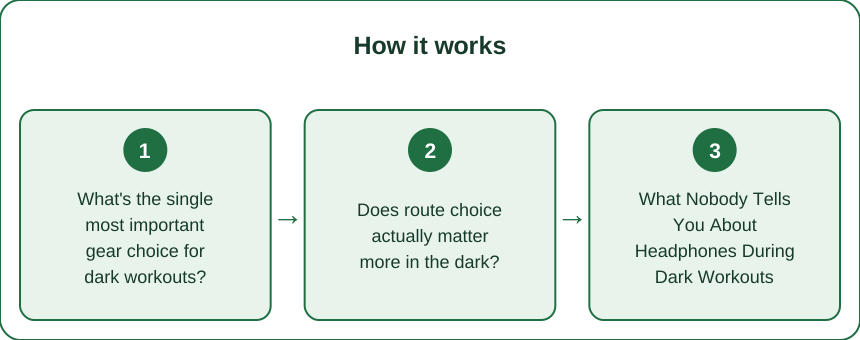
What’s the single most important gear choice for dark workouts?
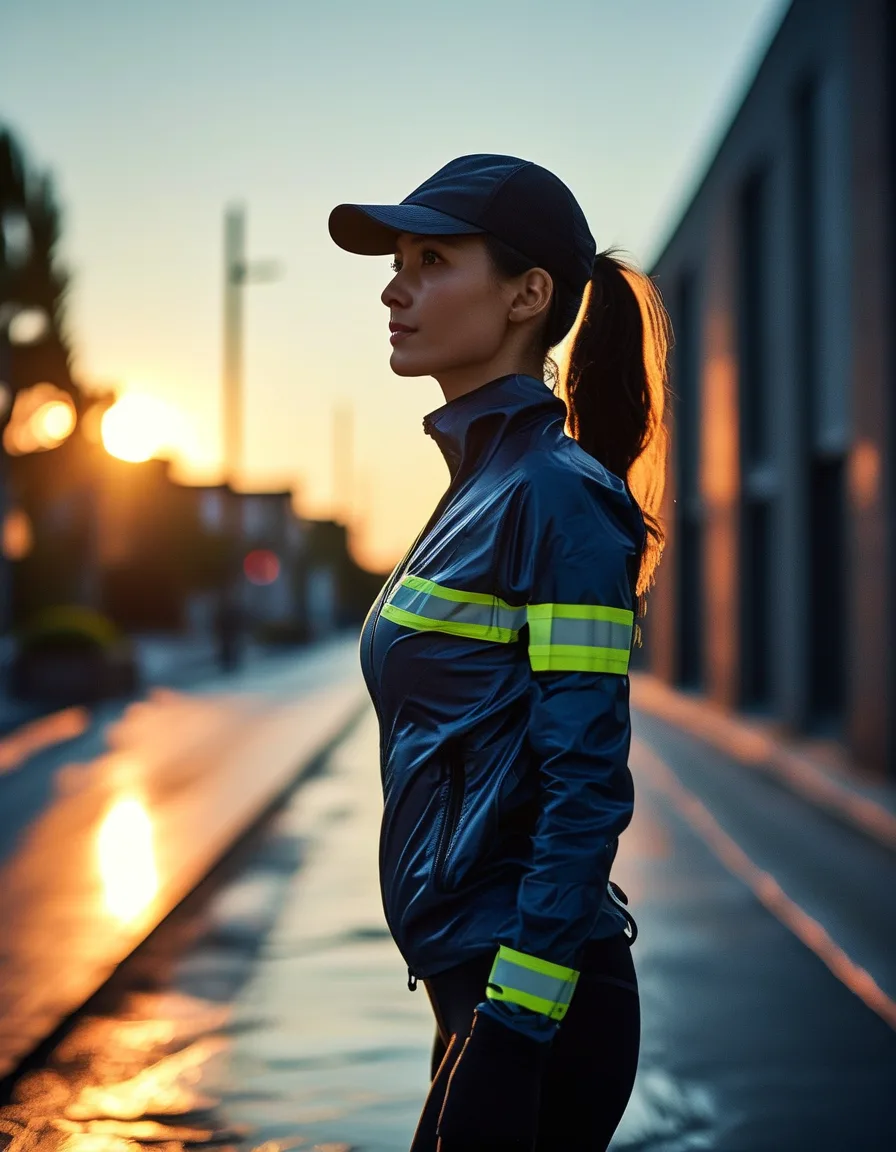
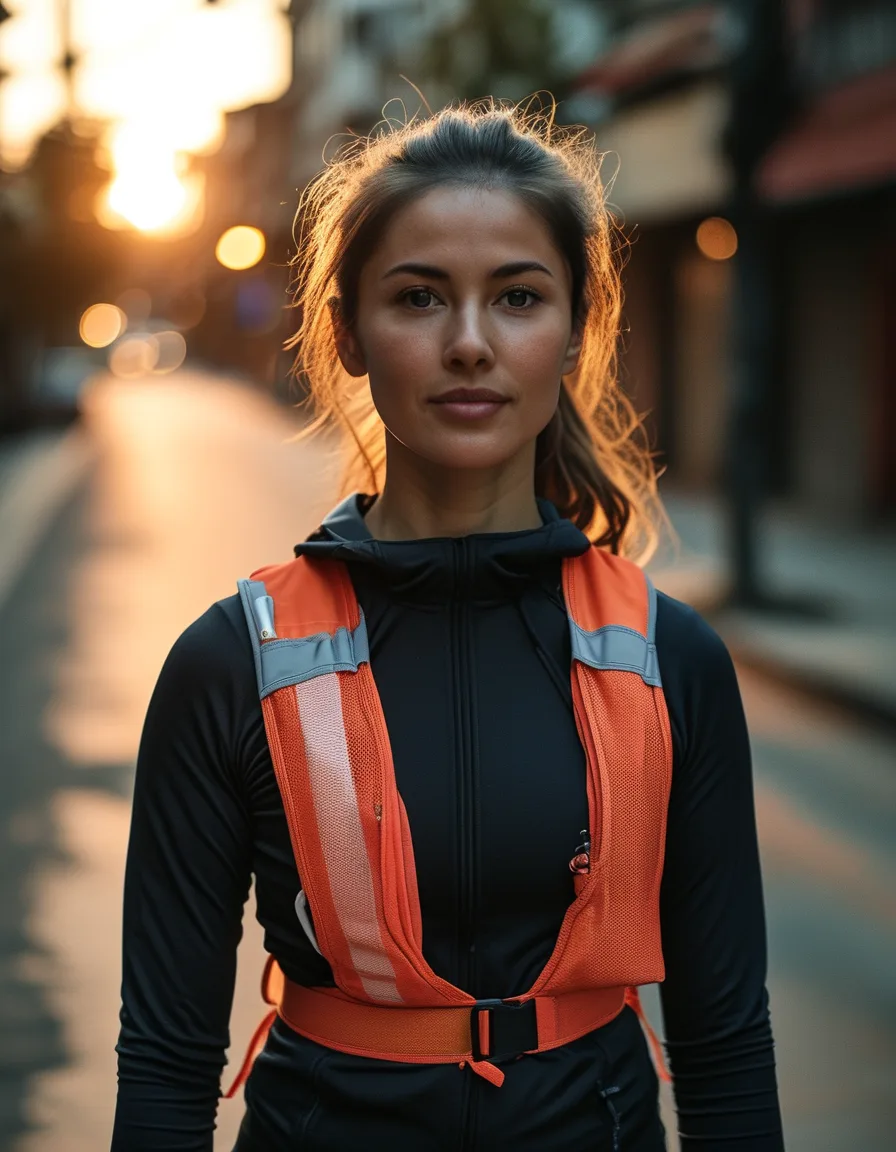
Reflective, not just bright-colored, clothing. A neon shirt looks visible to your own eyes in daylight but can be nearly invisible to a driver at night — true reflective material that catches headlights is a completely different level of visibility, and it’s the one upgrade worth prioritizing over anything else.
Does route choice actually matter more in the dark?
Yes, significantly. A route that feels perfectly safe at 6pm can have poor lighting, uneven pavement, or isolated stretches that only become obvious the first time you run it in the dark. Scout a new route in daylight first, or stick to well-lit, populated paths for dark-hour sessions specifically.
What Nobody Tells You About Headphones During Dark Workouts
Full noise-cancelling headphones remove one of your main safety tools — hearing an approaching car, cyclist, or person — at exactly the time visual cues are already reduced. Bone-conduction headphones or a single earbud let you keep music without losing situational hearing, a tradeoff that matters far more at night than during a bright, populated daytime run.
Is running against or with traffic actually safer?
Against traffic — facing oncoming cars lets you see and react to a vehicle drifting toward the shoulder, where running with traffic means a car would be approaching from behind, out of your sightline, with less reaction time for both of you.
FAQ: Dark-Hour Outdoor Workout Questions, Answered
Should I tell someone my route before a dark workout?
Yes — sharing a route or live location with one person, even just a text before you leave, is one of the simplest safety habits and costs nothing in prep time.
Are dark-hour workouts inherently more dangerous than daytime ones?
Statistically, reduced visibility does raise certain risks (traffic incidents, uneven terrain falls), which is exactly why the gear and route precautions above matter more here than for a daytime session.
What should I carry in case something goes wrong?
A phone, ID, and if the route is isolated, a personal safety alarm are reasonable minimums — most people carry a phone anyway, so the main change is actually using its location-sharing feature before you leave, not just having it in a pocket.
TL;DR:
- Reflective (not just bright) clothing is the single biggest visibility upgrade for dark workouts
- Scout new routes in daylight first; stick to well-lit, populated paths in the dark
- Bone-conduction headphones or one earbud preserve situational hearing
- Run against traffic, not with it, and share your route before you leave
The workout itself doesn’t change in the dark — the precautions around it do, and they’re worth taking seriously rather than treating dark hours as just a dimmer daytime session.
Keep Reading
This article is for general informational and styling purposes only. Fit, sizing, and product availability may vary.