Is It Safe to Work Out Outside Right After Rain? What Actually Changes
Quick Answer: Air quality is usually better during and right after steady rain (rain washes out particulates), but the first 20-30 minutes after rain stops can spike mold spore and pollen counts as moisture stirs them up from the ground — a phenomenon called a thunderstorm asthma trigger. Wait 30-60 minutes post-rain for the clearest air.
The instinct that “the air feels washed clean” after rain is mostly right for particulates and pollution, but it misses the biological side — spores and pollen don’t wash away, they get released.

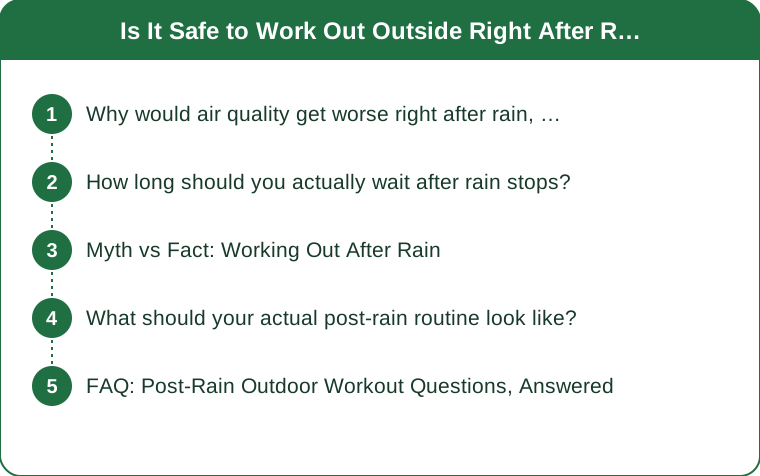
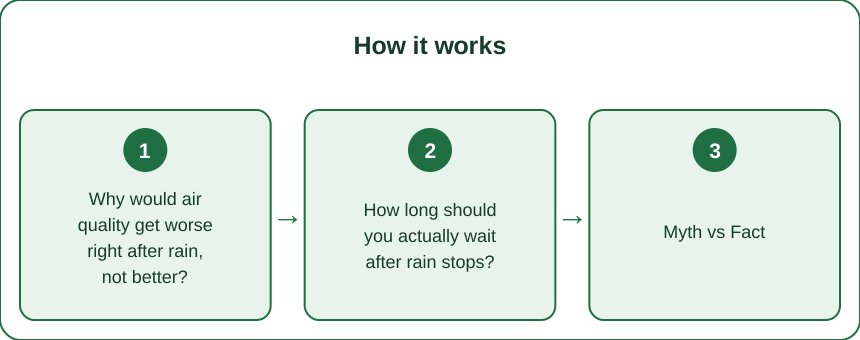
Why would air quality get worse right after rain, not better?
Rain does genuinely scrub particulate matter and pollution out of the air while it’s falling — that part of the instinct is correct. The catch is what happens in the following half hour: humidity and physical disturbance from raindrops rupture pollen grains and release mold spores in much higher concentrations than before the rain.
This effect is well-documented enough to have a name — thunderstorm asthma — and it’s a real trigger for people with pollen allergies or asthma, sometimes causing symptom spikes even in people who don’t normally react to pollen.
How long should you actually wait after rain stops?
30-60 minutes is a reasonable window for the spore/pollen spike to settle, especially after a thunderstorm rather than light steady rain. Light, brief rain showers cause a smaller spike than a heavy thunderstorm with strong wind gusts, which physically shatters more pollen grains.
If you have asthma or significant pollen allergies, that wait matters more for you than for someone without those conditions — consider checking a local pollen or mold spore count app before heading out in high pollen season.

Myth vs Fact: Working Out After Rain
Myth: The air is always cleanest right after it rains. Fact: Particulate pollution is lower, but spore and pollen counts can spike for the next 30-60 minutes — “cleanest” depends which pollutant you’re asking about.
Myth: Only people with diagnosed asthma need to worry about post-rain air. Fact: Thunderstorm asthma events have triggered symptoms in people with no prior asthma diagnosis, particularly during high pollen season combined with a strong storm.
Myth: Wet ground means safer footing, so intensity doesn’t need to change. Fact: Wet trails and pavement significantly increase slip risk regardless of air quality — dial back pace on technical terrain even once the air has cleared.
What should your actual post-rain routine look like?
- Light steady rain, no storm: Air is generally fine to work out in during or shortly after — no special wait needed for most people.
- Thunderstorm, especially in pollen season (spring/early summer): Wait 30-60 minutes, and if you have asthma or pollen allergy, consider indoor training for that window instead.
- Always: Check footing separately from air quality — wet leaves, mud, and slick pavement are a fall risk independent of anything happening in the air.
A quick local air quality or pollen app check takes 10 seconds and removes the guesswork.
FAQ: Post-Rain Outdoor Workout Questions, Answered
Does this apply to running on a treadmill near an open window?
Less so — indoor air exchange is much slower than direct outdoor exposure, so the spike is diluted. Still worth closing a window during a storm if you have significant allergies.
How do I know if I’m reacting to thunderstorm asthma versus just being out of shape?
Sudden wheeze, chest tightness, or unusual shortness of breath specifically during or after a storm — especially if it doesn’t match your normal fitness level — is worth discussing with a doctor rather than pushing through.
Is the effect worse in certain regions?
Yes — areas with high grass pollen counts (much of the central and southern US in late spring) see documented thunderstorm asthma events more than drier regions with less grass pollen.
TL;DR:
- Rain clears particulates, but the 30-60 minutes after a storm can spike pollen and mold spore counts
- Thunderstorm asthma is a real, documented trigger — even for people without a prior asthma diagnosis
- Wait 30-60 minutes post-storm in high pollen season, especially with asthma or allergies
- Wet footing is a separate risk from air quality — check both before you head out
This is general information, not medical advice — if a storm workout ever brings on unusual breathing symptoms, treat that as a signal to stop and check in with a professional.
Keep Reading
This article is for general informational and styling purposes only. Fit, sizing, and product availability may vary.