How to Keep Training Outdoors Through Pollen Season Without Wrecking Your Allergies
Quick Answer: Pollen counts peak in mid-morning and on dry, windy days, so training early morning or right after rain, plus rinsing off and changing clothes immediately after, cuts most allergy flare-ups from outdoor workouts without needing to move training entirely indoors.
Giving up outdoor training for the whole pollen season is the default move for a lot of people with allergies — but a few timing and habit shifts handle most of the problem without that trade-off.
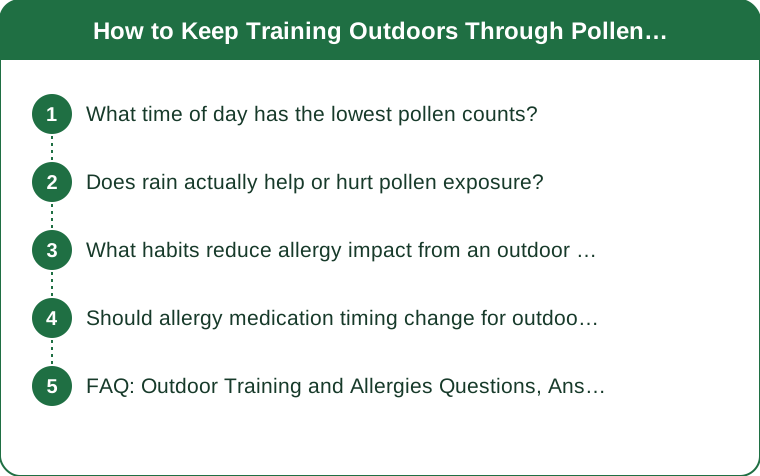
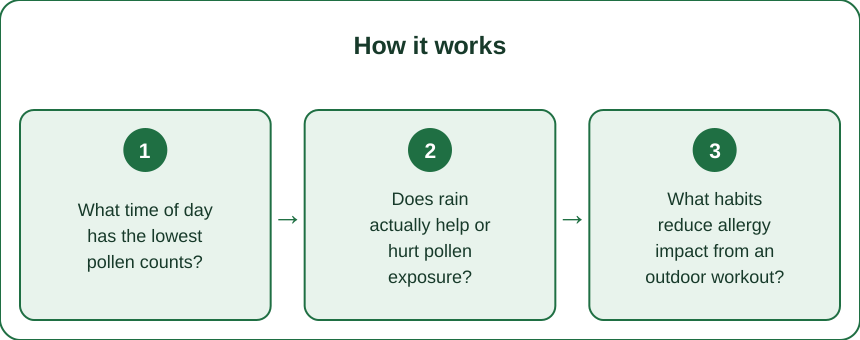
What time of day has the lowest pollen counts?
Early morning before 8-9am and evening after sunset tend to have lower airborne pollen than the mid-morning to afternoon peak, when rising temperatures and air movement lift pollen higher and spread it further.
Dry, windy days consistently produce the worst counts regardless of time — if it’s both windy and dry, that’s the day to consider an indoor alternative even during an otherwise good training window.
Does rain actually help or hurt pollen exposure?
Right after rain is often one of the best windows — rain temporarily clears airborne pollen, and counts stay lower for a few hours afterward before rebuilding. During active rain, though, some pollen types actually rupture and release smaller, more irritating particles, so the sweet spot is the hour or two just after rain stops, not during it.
What habits reduce allergy impact from an outdoor workout?
Rinse exposed skin and hair, and change clothes, immediately after training — pollen clings to skin, hair, and fabric, and continuing to wear or be near those clothes extends exposure well past the actual workout.
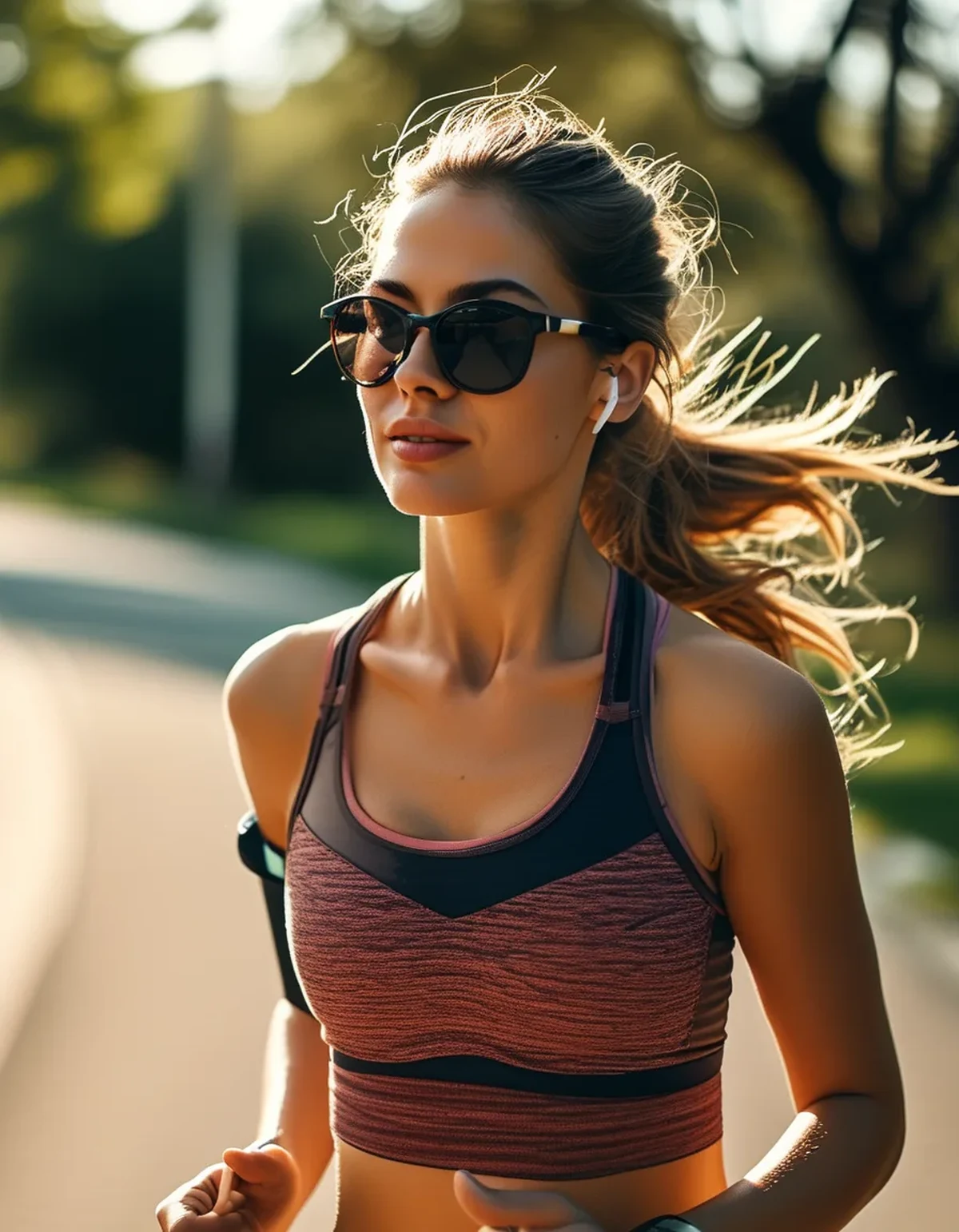
Wraparound sunglasses reduce pollen reaching the eyes noticeably, and for people with more significant symptoms, a low-profile pollen mask for genuinely high-count days is a reasonable tool, not overkill.
Should allergy medication timing change for outdoor training days?
Many non-drowsy antihistamines work best taken consistently daily during pollen season rather than reactively on bad days, since they need time to build effect — check with a pharmacist about your specific medication’s onset time and whether daily use fits it.
This is general information, not medical advice — if allergy symptoms are severe or affect breathing, that’s a conversation for a doctor, not just a training schedule adjustment.
FAQ: Outdoor Training and Allergies Questions, Answered
Is it safe to train outdoors on a high pollen count day at all?
For most people with mild-to-moderate seasonal allergies, yes with precautions — shortened duration, post-workout rinse, and medication as needed. Severe reactions or asthma-related symptoms warrant more caution and a doctor’s input.
Do local pollen count apps or forecasts help planning?
Yes — many weather apps include daily pollen forecasts by type (tree, grass, ragweed), which lets you plan around your specific trigger rather than pollen in general.
Does exercise intensity affect how much pollen you inhale?
Somewhat — harder breathing during intense outdoor exercise does increase airborne particle intake, which is one more reason early morning, lower-pollen windows suit higher-intensity sessions better during peak season.
TL;DR:
- Early morning and right after rain are the lowest-pollen windows for outdoor training
- Windy, dry days produce the worst counts regardless of time of day
- Rinse skin and change clothes immediately post-workout to limit lingering exposure
- Daily consistent antihistamine use often outperforms reactive dosing on bad days
This is general information, not medical advice — for significant symptoms, loop in a doctor alongside any training schedule changes.
Keep Reading
This article is for general informational and styling purposes only. Fit, sizing, and product availability may vary.