The Outdoor Workout Layering Mistake That Makes You Colder, Not Warmer
Quick Answer: The biggest layering mistake is wearing a heavy cotton layer against your skin — it soaks up sweat and leaves you colder mid-workout than if you’d worn one less layer. The fix: moisture-wicking base, insulating mid, wind-resistant outer, and dress as if it’s 10-15 degrees warmer than it actually is.
You bundle up for a cold-morning run, feel great for the first 5 minutes, then spend the next 20 soaked and freezing. The layers weren’t the problem — the wrong fabric order was.

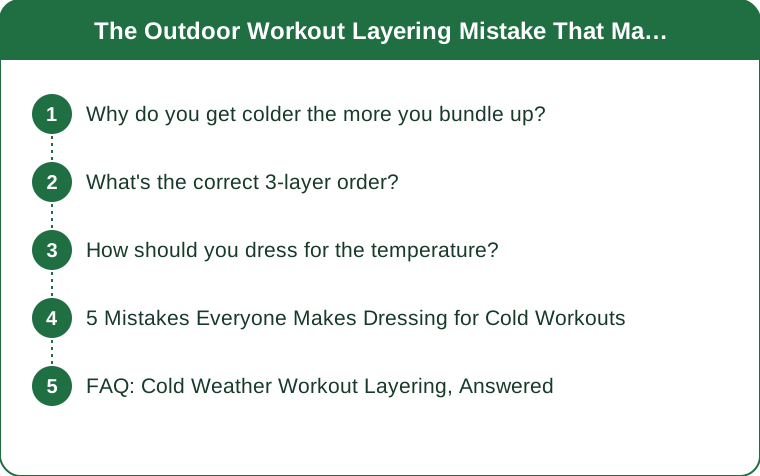
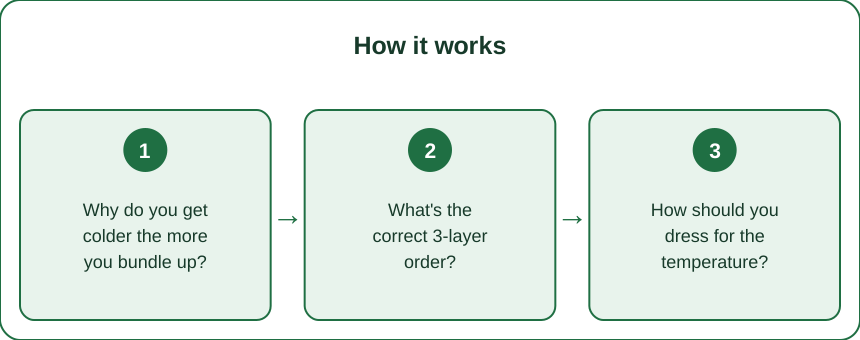
Why do you get colder the more you bundle up?
Because sweat trapped against skin conducts heat away from your body roughly 25 times faster than dry air does. A thick cotton hoodie against bare skin absorbs sweat and holds it there, turning your own effort against you.
The fix isn’t fewer layers — it’s the right first layer. A synthetic or merino base layer pulls moisture away from skin instead of holding it.
What’s the correct 3-layer order?
Base layer (against skin): thin, moisture-wicking synthetic or merino — never cotton.
Mid layer (insulation): fleece or light puffer, sized to trap warm air without bulk.
Outer layer (protection): wind- or water-resistant shell, worn only if it’s windy, rainy, or below freezing — otherwise skip it and let the mid layer breathe.
Most people over-invest in the outer layer and under-invest in the base, which is backwards for how heat actually escapes.

How should you dress for the temperature?
Dress as if it’s 10-15°F warmer than the thermometer says. Within the first 10 minutes you should feel slightly cool, almost underdressed — if you feel comfortably warm standing still at the start, you’ll be overheating and sweat-soaked by minute 15.
This is the single most common outdoor-workout dressing error, and it applies at every temperature from 50°F down to freezing.
5 Mistakes Everyone Makes Dressing for Cold Workouts
1. Cotton base layer. Holds sweat, gets cold fast — swap for synthetic or merino.
2. Too many layers at the start. Dressing for how it feels standing still, not how it’ll feel at minute 15.
3. Skipping hands and ears. Extremities lose heat first; thin gloves and a headband matter more than an extra torso layer.
4. Ignoring wind chill. A 40°F day with 15mph wind performs like the low 30s — check wind, not just temperature.
5. Over-layering the legs. Legs generate heat fast during movement; one wicking layer is usually enough down to freezing.
FAQ: Cold Weather Workout Layering, Answered
Is it OK to wear a cotton t-shirt under a jacket for outdoor workouts?
Better than nothing, but it will feel damp and cold once you start sweating. A cheap synthetic base layer solves this for under $20 and lasts for years.
Do I need a wind-resistant outer layer below 50°F?
Only if it’s windy or precipitating. Calm, dry cold is handled fine by a wicking base and a mid layer alone.
How do I know if I’m overdressed for a run?
If you’re sweating heavily and warm within the first 5 minutes rather than the first 15, remove a layer next time out.
TL;DR:
- Skip cotton against skin — it traps sweat and conducts heat away fast
- Base (wicking) + mid (insulation) + outer (wind/rain only) is the correct order
- Dress for 10-15°F warmer than the actual temperature
- Check wind chill, not just the thermometer, before deciding on layers
Next cold-weather session, dress slightly under what feels right at the door — you’ll thank yourself at minute 15.
Keep Reading
This article is for general informational and styling purposes only. Fit, sizing, and product availability may vary.