The Case for Cold-Weather Outdoor Exercise: Why Winter Shouldn't Send You Inside
Winter herds outdoor exercisers inside — and the ones who stay out know the secret: cold-weather training is comfortable with the right layers, invigorating by physiology and the season’s best defense against the indoor-hibernation slump. The case, the system and the limits.

The Winter Benefits
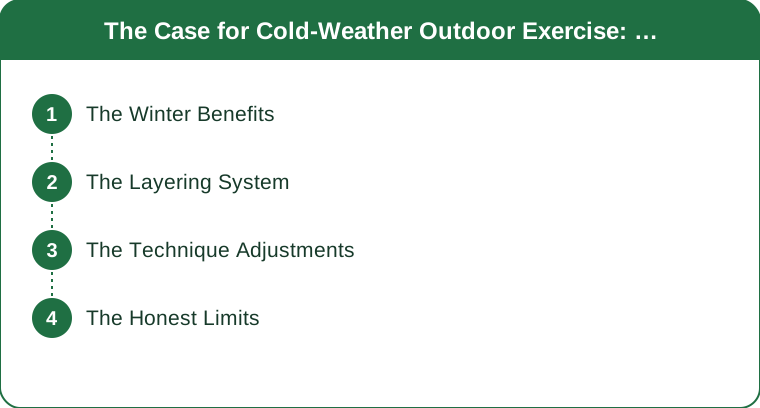
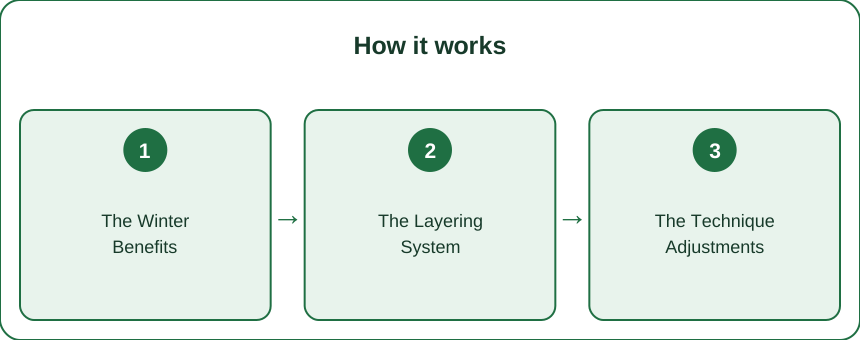
Why the cold session earns its chill: the performance note (cool conditions are actually endurance’s friend — the overheating that limits summer efforts vanishes; many runners’ best paces live at single-digit temperatures), the mood economics (winter’s daylight scarcity makes the outdoor session double as light therapy — the midday winter walk is the season’s antidepressant with a step count; the freshair mood research peaks exactly when getting outside is hardest), the hibernation resistance (the maintained outdoor habit is what separates the spring-fit from the spring-restarting — the winter consistency that compounds), and the invigoration honesty (the cold-air alertness is real physiology — the post-winter-walk clarity that coffee imitates).
The Layering System
Dressing for movement, not standing: the start-cold rule (dress for fifteen minutes IN — the comfortable-at-the-door outfit overheats by kilometer two; slight shivering at the start is correct calibration), the three-layer architecture (the wicking base — never cotton, the insulating middle — fleece-weight, adjustable, and the wind-blocking shell — the windbreaker chapter’s winter shift; the system vents and adjusts where the single parka can’t), the extremities priority (gloves, headband-or-hat and warm socks carry disproportionate comfort — the body’s heat-loss geography; the core stays warm when moving, the fingers file the complaints), and the visibility overlay (winter’s dark hours make the night-run kit a season-long default — the reflective-and-lights layer under it all).

The Technique Adjustments
Winter-specific craft: the warm-up extension (cold tissue wants the longer gradual warm-up — the first ten minutes easy regardless of the plan; the injury-prevention math tilts further toward patience), the breathing note (cold air is workable for most — the buff-over-mouth trick pre-warms it for the sensitive; asthma-adjacent lungs get the doctor conversation and often the indoor swap on the coldest days), the surface literacy (ice changes everything — the shortened stride and flat-foot landings on suspect ground, the trail-shoe traction tier, and the honest ice-day indoor call; the slip costs more than the missed session), and the hydration reminder (cold blunts thirst while sweat continues — the winter dehydration that surprises; the sipping discipline survives the season).
The Honest Limits
When inside wins: the genuine no-go conditions (ice storms, dangerous wind chills, the air-quality inversions some winter cities carry — the conditions where the treadmill and the quiet-workout library are the smart call, not the soft one), the medical amendments (the cold-and-cardiac conversation for relevant histories, the Raynaud’s-tier circulation issues that need serious glove strategy or indoor plans), the shrink-not-skip application (the brutal week’s five-minute bundled walk keeps the habit’s pilot light lit — the streak philosophy in mittens), and the reframe (winter outdoor exercise isn’t toughness theater — it’s a comfortable, learnable system that keeps the season’s best mood tool available; the layers were the whole barrier, and they’re solvable). Dress right, start cold, own the winter.
Dress for fifteen minutes in, three layers that vent, extend the warm-up, respect the ice. Winter training is a layering system away — and the season needs the mood dose most.
Keep Reading
This article is for general informational and styling purposes only. Fit, sizing, and product availability may vary.